
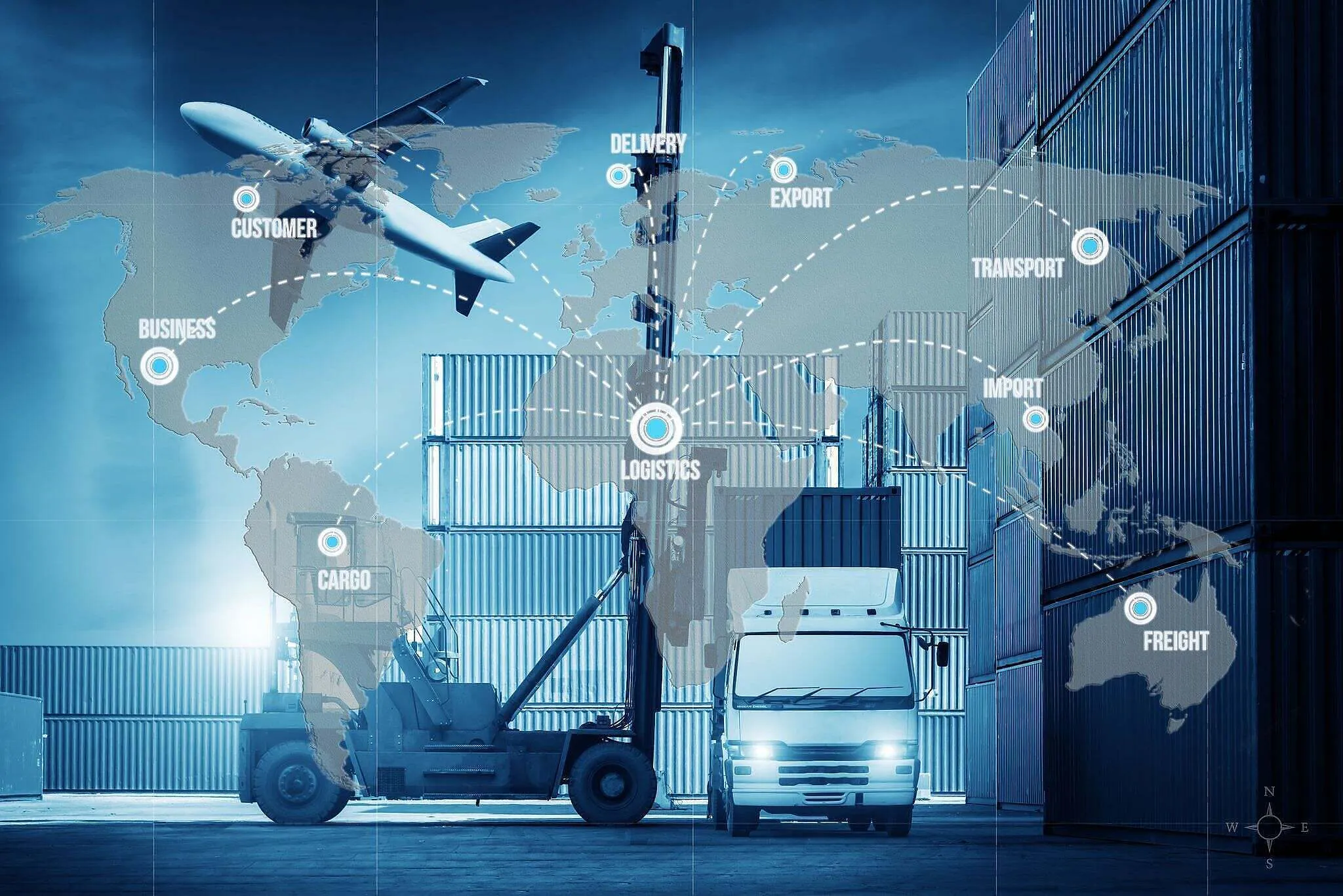
𝐆𝐥𝐨𝐛𝐚𝐥 𝐃𝐢𝐬𝐫𝐮𝐩𝐭𝐢𝐨𝐧𝐬: Geopolitical tensions, regional conflicts, and trade policy shifts are increasingly impacting global supply chains. For instance, the Red Sea Crisis has led to ship rerouting, raising transit times and costs, and driving up CO₂ emissions. Shipping routes around the Cape of Good Hope now face delays, higher costs, and reduced capacity, with carriers like Maersk benefiting from increased freight rates.
𝐒𝐡𝐢𝐟𝐭𝐬 𝐢𝐧 𝐓𝐫𝐚𝐝𝐞 𝐏𝐫𝐞𝐟𝐞𝐫𝐞𝐧𝐜𝐞𝐬: Geopolitical issues have also prompted shifts in transport modes. Rail and air freight are growing alternatives for companies affected by sea route challenges, with China-Europe rail freight volumes rising by 11% year-over-year.
𝐑𝐢𝐬𝐢𝐧𝐠 𝐏𝐫𝐨𝐭𝐞𝐜𝐭𝐢𝐨𝐧𝐢𝐬𝐦: Countries like the U.S. and EU are implementing protectionist policies, seeking more localized and resilient supply chains, particularly in response to trade tensions with China. Policies such as the U.S. Inflation Reduction Act promote domestic production, while the EU has imposed tariffs on Chinese EVs, sparking retaliatory measures.
𝐓𝐡𝐞 𝐈𝐦𝐩𝐚𝐜𝐭 𝐨𝐟 𝐄𝐜𝐨𝐧𝐨𝐦𝐢𝐜 𝐍𝐚𝐭𝐢𝐨𝐧𝐚𝐥𝐢𝐬𝐦: As global supply chains face increasing political and economic complexities, businesses are considering near-shoring and building regional supply networks to reduce reliance on volatile international routes.
𝗟𝗲𝘃𝗲𝗿𝗮𝗴𝗶𝗻𝗴 𝗦𝘁𝗿𝗮𝘁𝗲𝗴𝗶𝗰 𝗣𝗮𝗿𝘁𝗻𝗲𝗿𝘀𝗵𝗶𝗽𝘀 𝗳𝗼𝗿 𝗦𝘂𝗽𝗽𝗹𝘆 𝗖𝗵𝗮𝗶𝗻 𝗥𝗲𝘀𝗶𝗹𝗶𝗲𝗻𝗰𝗲 As geopolitical disruptions increase, strategic partnerships are essential for resilient supply chains. AiO Logistics stands out by offering a global network across various logistics divisions—from commercial freight to project cargo. Unlike single-solution networks, AiO’s multi-division approach enables businesses to access specialized expertise and flexible solutions. This adaptability helps companies navigate disruptions efficiently, keeping them competitive in an unpredictable landscape.
#AINetwork #AiOlogistics #GlobalSupplyChain #TradeRoutes #GlobalTradeTrends